Timberland and Recreational Land in Hardin, Tyler and Jasper Counties
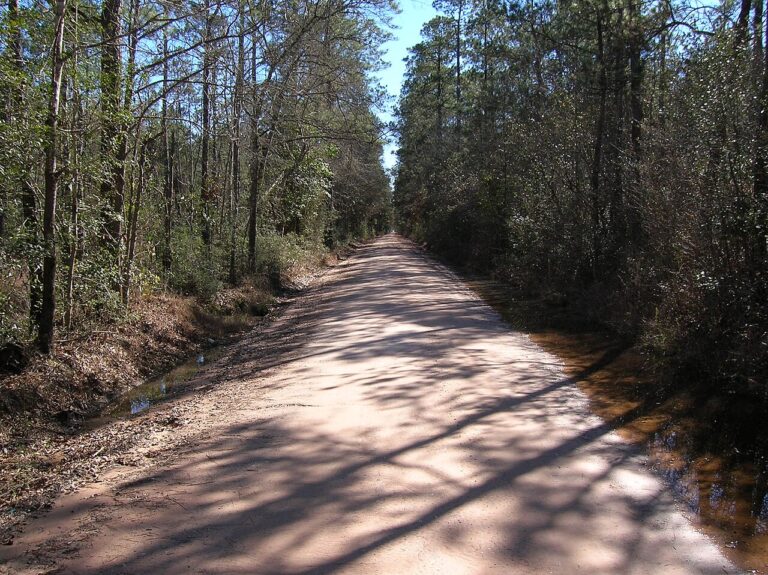
The Piney Woods north of Beaumont, through Hardin, Tyler and Jasper counties, have long been timber country, and they’re increasingly bought for recreation too: deer and hog hunting, a weekend cabin, a pond, or simply a place to own outside the city. If you’re buying or selling this kind of land, the value depends on more than the acreage. Here’s how timber, recreation and taxes fit together, with current figures from public sources.
What rural land is selling for
The Texas Real Estate Research Center at Texas A&M tracks rural land prices by region. Its regions don’t follow the Big Thicket exactly, which is important when you read the numbers:
- Hardin, Jefferson and Orange counties are in the Gulf Coast–Brazos Bottom region, along with Harris, Fort Bend, Montgomery and other Houston-area counties. In its second-quarter 2026 report, the center put that region’s median price at $11,369 per acre, up 3.05% from a year earlier, with a typical tract size of 139 acres.
- Jasper and Tyler counties are in the Northeast Texas region, where the median price fell 5.96% year over year to $8,604 per acre.
Treat these as broad indicators, not appraisals. The Gulf Coast–Brazos Bottom median is pulled up by small tracts near Houston; large timber tracts in northern Hardin County typically sell well below a regional median driven by suburban land. Road frontage, utilities, flood zone, merchantable timber, water features and tract size all move the price of a specific property. Recent sales of similar local tracts are the best guide.
Timber value
Standing timber is often a significant part of the value of wooded land, and it’s valued separately from the land. Texas A&M Forest Service publishes bimonthly Texas Timber Price Trends based on reported sales in East Texas. For July/August 2026, its report listed these average stumpage prices (what a buyer pays the landowner for standing trees) in Southeast Texas:
- Pine sawtimber: $25.16 per ton
- Pine chip-n-saw: $13.45 per ton
- Pine pulpwood: $4.85 per ton
Statewide, pine sawtimber averaged $25.55 per ton in that period, 12% below a year earlier, and pine pulpwood was down 18% year over year. In other words, timber prices have been soft. That matters in two ways:
- Sellers with a mature stand may not need to harvest before selling. A buyer may pay for the timber as part of the land price, or a harvest can be timed for a better market.
- Buyers should get an independent timber cruise from a registered professional forester before relying on any timber value in the price. Ask for volumes by product class (sawtimber, chip-n-saw, pulpwood) and stand age.
If timber has been recently cut, check the contract for any retained timber rights, reforestation obligations, or a buyer’s right to haul over the property.
Recreational value and hunting leases
For many buyers, the main draw is recreation. Features that tend to add value: a stocked pond or creek frontage, mixed hardwood bottoms that hold deer, food plots, good interior roads, a cabin or camp with power, and proximity to public land such as the Big Thicket National Preserve and the national forests.
Leasing hunting rights is a common way to earn income from timberland. Things to know:
- A landowner or agent who leases hunting rights for pay needs a Hunting Lease License from Texas Parks and Wildlife, and the license must be displayed on the property. Licenses are sold in three size classes; the small class (1 to 499 acres) costs $79.
- Use a written lease that covers the term, permitted game and methods, guests, stands and feeders, vehicles, liability, insurance and what happens during a timber harvest.
- If you’re buying land with an existing hunting lease, read it. It may run through the season after closing.
Property taxes: timber, ag and wildlife valuation
Texas allows qualifying land to be taxed on its productivity value instead of market value. The Comptroller explains the rules for agricultural, timberland and wildlife management appraisal. In general:
- Timber valuation applies to land actively devoted to growing timber for commercial harvest.
- Agricultural valuation covers grazing, hay and crops, used at the intensity typical for the area.
- Wildlife management valuation lets land already qualified for ag or timber valuation convert to wildlife management. According to Texas Parks and Wildlife, the application must include a wildlife management plan and be filed with the appraisal district by May 1.
If the land stops qualifying, for example because you build a home site or subdivide, a rollback tax can apply. For 1-d-1 land, the Comptroller’s agricultural appraisal manual describes the rollback as the difference between taxes paid and taxes at market value for each of the three preceding years. When you buy, check the current valuation with the appraisal district, ask the seller for the ag, timber or wildlife plan, and plan to file a new application in your name if the district requires it.
Due diligence specific to timber and recreational land
- Access. Many tracts are reached through timber company roads or old easements. Confirm recorded legal access.
- Boundaries. Get a survey; old fence lines and paint marks don’t always match the deed.
- Minerals and pipelines. Mineral rights are frequently severed. Pipelines and well sites are common; the Railroad Commission’s GIS viewer shows many of them.
- Flood zone and wetlands. Creek bottoms are often in a FEMA floodplain and may contain wetlands, which limits building sites but can be excellent habitat.
- Conservation easements. Some land in the area is under conservation easements that restrict development. They’ll appear in the title commitment.
- Utilities. Power and water may be far away. Get estimates for line extensions, a water well and a septic system if you plan to build.
Financing
Rural and recreational land is often financed through Farm Credit lenders and local banks rather than standard mortgage lenders. Expect larger down payments than for a house, and expect the lender to want an appraisal by someone experienced with rural land.
You can see current timber and recreational tracts on our listings page, and use the property map to check soils, contours, flood zones, wetlands and pipelines on any parcel.
This article is general information, not legal or tax advice. Consult a registered forester, surveyor, attorney and tax professional about a specific property.
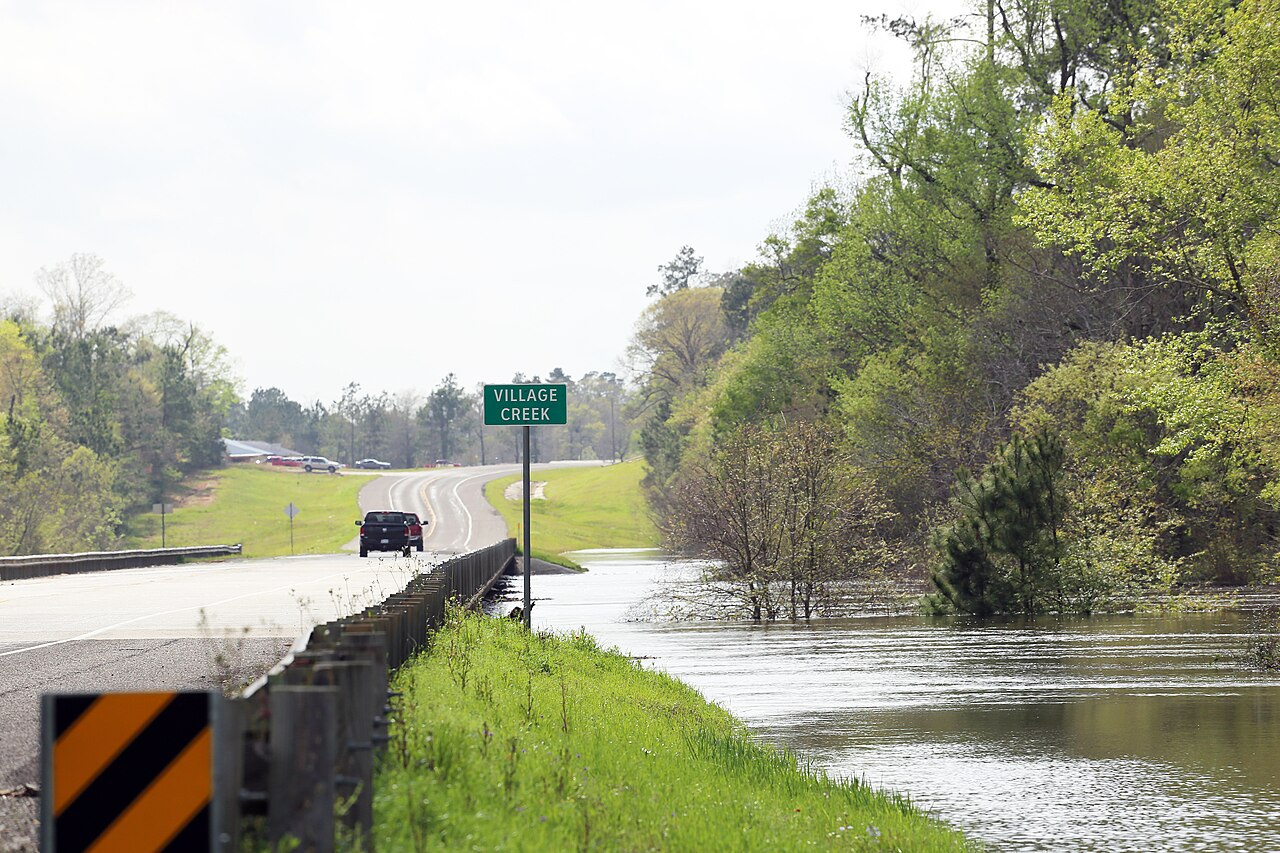
Header photo: Village Creek near Silsbee, Texas (25648007622) by Jill Carlson (jillcarlson.org), licensed CC BY 2.0, via Wikimedia Commons.