Starting a Restaurant or Retail Business: How to Pick a Location in Southeast Texas
For a restaurant or retail business, the location decision is hard to undo. A great concept on the wrong side of the road, behind a median or in a building that can’t get a grease trap permit can struggle no matter how good the food or service is. If you’re opening in Beaumont, Lumberton, Silsbee, Port Arthur or Orange, these are the factors to work through before you sign a lease or buy a building.
1. Traffic counts: useful, but read them carefully
TxDOT counts traffic on state highways and many local roads and publishes the results on its traffic count maps. The key figure is AADT, annual average daily traffic: the average number of vehicles passing a count station per day, both directions combined. Some 2025 counts from TxDOT’s published data give a sense of scale locally:
- I-10 in central Beaumont: more than 100,000 vehicles per day at its busiest station
- US 69 (Eastex Freeway) north of I-10 in Beaumont: about 78,000
- US 69 just south of Lumberton: about 54,500
- SH 105 in north Beaumont: about 25,000
- SH 327 in Silsbee: about 10,000
Higher isn’t automatically better. Freeway traffic moves fast and may not be able to reach you easily. For most restaurants and shops, what matters is how many of those drivers can see the business in time, turn in safely and get back out. A site with 25,000 cars a day, a traffic light and easy access can outperform one with 70,000 cars on a freeway frontage road with a long U-turn. You can view TxDOT counts for any location on our property map.
2. Access and which side of the road
- Going-home side vs. going-to-work side. Coffee and breakfast generally do better on the morning commute side; dinner, grocery and take-out on the evening side.
- Medians and turn lanes. A raised median can cut off half your potential customers. Check whether there’s a median opening or signal near the driveway.
- Driveways on state highways. New or modified driveways on TxDOT roads require a TxDOT driveway permit (Form 1058), and spacing standards may limit where a driveway can go. On an existing site, ask whether shared access with neighboring lots is recorded.
- Construction. TxDOT’s I-10/US 69 interchange projects in Beaumont are scheduled to run until 2030. If a site is on an affected frontage road, find out how access will change during each phase.
3. Visibility and signage
Drive the approach from both directions at the speed traffic actually moves. Can you see the building and its sign early enough to turn? Trees, other buildings and the angle of the road all matter. Then check what signs are allowed:
- Cities regulate sign size, height and setbacks, and most require a sign permit. Beaumont’s sign rules are in the city code; ask the planning department about permits before ordering a sign.
- In a shopping center, the lease and center sign criteria control what you can put on the building and whether you get a panel on the pylon sign. Negotiate pylon space before you sign.
4. Zoning and permits
Confirm your use is allowed before you commit. In Beaumont, some uses are permitted by right in a zoning district while others require a specific use permit (SUP), which means a public hearing before the Planning and Zoning Commission and approval by City Council. The city’s code explains that SUPs are for uses that may have unusual impacts and lets council deny or conditionally approve them. A recent example: Beaumont City Council approved a new strip center on North Major Drive with restaurants and a laundromat through the SUP process. Build that time into your schedule and make your lease contingent on approval.
Other approvals to plan for:
- Building permit and certificate of occupancy, including fire review for restaurants with hood systems.
- Food permit. Inside Beaumont, the city’s Environmental Health office issues food permits; in unincorporated Jefferson County it’s the county’s Environmental Control office. Where there’s no local health department, the Texas Department of State Health Services issues retail food permits.
- Grease trap and utilities. Confirm the sewer line, water meter size and grease interceptor requirements. Converting a retail space to a restaurant often means a new or larger grease trap, which can be expensive.
- Accessibility. Construction must meet the Texas Accessibility Standards, and qualifying projects must be registered with the Texas Department of Licensing and Regulation and reviewed and inspected by a Registered Accessibility Specialist.
- Alcohol. If you’ll sell beer, wine or mixed drinks, check the location’s local-option status on the TABC interactive wet/dry map. Wet/dry rules can differ by city and precinct, and TABC notes that only the city or county clerk can officially confirm a location’s status.
5. The building itself
Second-generation restaurant space (a former restaurant with a hood, grease trap and walk-in cooler) can save a lot of build-out cost, but inspect the equipment, the roof under the hood and the HVAC. For retail, look at ceiling height, storefront width, loading and back-door access, and parking. Restaurants usually need more parking than retail; check the city’s parking requirement for your use as well as what your customers will actually need at peak hours.
6. Who lives and works nearby
Look at population, household income and daytime employment within a short drive. The Census Bureau’s American Community Survey is the standard free source, and each listing on our site shows 1-, 3- and 5-mile demographics from it. Also look at who is already there. Co-tenancy matters: a grocery store, big-box retailer or busy national restaurant brings daily trips. New openings are a useful signal. In late 2026, for example, Bubba’s 33 announced plans to hire about 200 people ahead of a December opening on US 69 near Target, and H-E-B announced a $29.3 million expansion of its Dowlen Road store.
7. Flood risk and insurance
Check the FEMA flood zone and whether the building flooded in Harvey or Imelda. Flood history affects your insurance cost, your lender and how long you could be closed after a storm. Make sure your lease spells out who restores the space and whether rent stops while you can’t operate.
8. Run the numbers on occupancy cost
A common rule of thumb in the restaurant business is to keep total occupancy cost (rent plus NNN charges) at a manageable share of projected sales. Whatever target you use, calculate it with the full rent including NNN, not just the base rate, and with realistic first-year sales.
Incentives
Beaumont’s Neighborhood Empowerment Zones can offer fee waivers, expedited permitting and city tax abatement for eligible projects, according to the city’s economic development office. Ask whether a site qualifies before you finalize your budget.
To compare sites, use our property map to check traffic counts, zoning, flood zones and nearby brands, or browse available retail and restaurant space.
This article is general information, not legal or tax advice. Permit requirements change; confirm them with the city, county and state agencies involved, and consult qualified professionals before committing to a location.
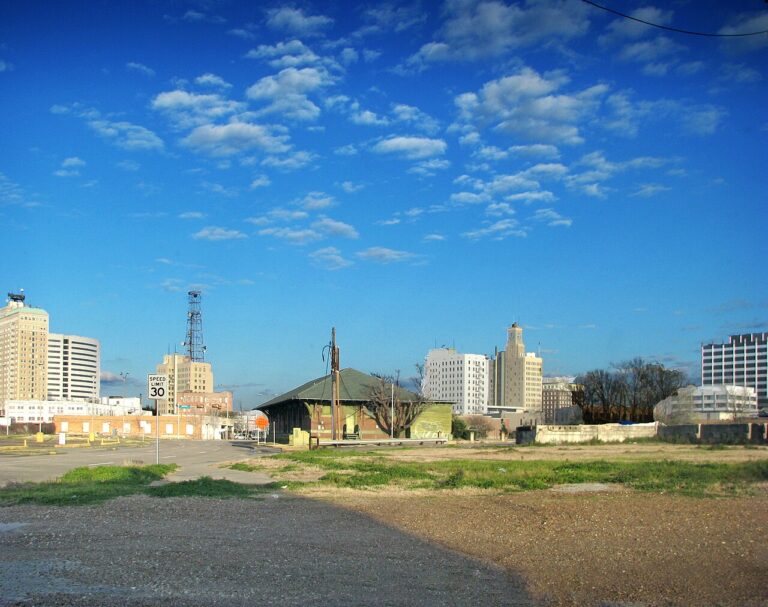
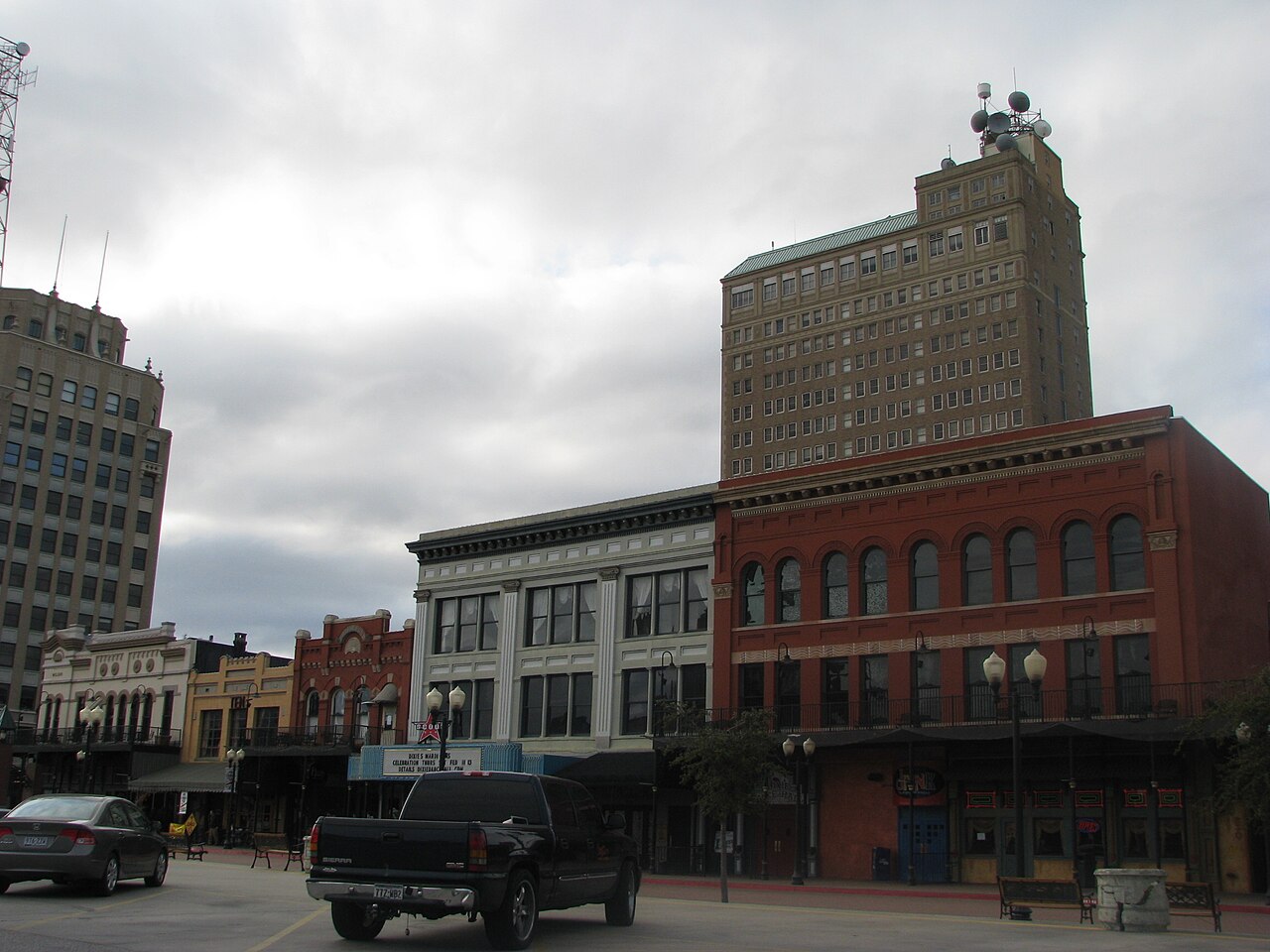
Header photo: Crockettstreet by R. Rothenberger, licensed CC BY 3.0, via Wikimedia Commons.