
Opportunity Zones in the Golden Triangle: What Changes in 2027
Opportunity Zones are federal tax incentives for investing capital gains in designated low-income census tracts. The program started with the 2017 Tax Cuts and Jobs Act, and the Golden Triangle has had designated tracts since 2018. The City of Port Arthur, for example, lists six designated Opportunity Zones within the city.
The program is now changing in ways that matter for anyone holding or considering an Opportunity Zone investment in Southeast Texas. Here’s where things stand as of late 2026.
What changed in 2025
The original program was scheduled to stop accepting new deferrals after 2026. The One Big Beautiful Bill Act, passed in 2025, instead made the incentive permanent, with a new map of zones every ten years. The first new round of designations takes effect January 1, 2027.
According to the Texas Governor’s Office summary of “Opportunity Zone 2.0”:
- Investors get a standard five-year deferral of the invested gain plus a 10% basis step-up after five years.
- The 10-year benefit remains: appreciation on a qualifying investment held at least ten years can be excluded from tax, with basis stepped up to fair market value after 30 years.
- Rural zones get more. Qualified rural opportunity funds receive a 30% step-up after five years, and the “substantial improvement” requirement for existing buildings in rural zones drops to 50% of basis instead of 100%. “Rural” is defined as an area outside any city or town of more than 50,000 people and the urbanized area next to it.
- Eligibility is tighter. The income test is stricter and the old rule that let governors designate tracts simply because they bordered a qualifying tract has been eliminated. The Economic Innovation Group estimates the new national map will be noticeably smaller than the current one.
- New reporting requirements apply to funds and the businesses they invest in.
The new map: what Texas nominated
Governor Abbott nominated 608 census tracts in 106 counties for the new round. Treasury began the designation process on July 1, 2026, with official certification expected by November 28, 2026. Until Treasury certifies the list, treat these as nominations, not final designations.
Based on the state’s published nomination list, the tracts in our market area are:
- Jefferson County: 9 tracts
- Orange County: 2 tracts
- Hardin County: 1 tract
- Jasper County: 6 tracts; Tyler County: 2 tracts
- Harris County: 51 tracts; Fort Bend County: 6; Brazoria County: 2
- Montgomery County: none on the list
The state’s nomination map shows exactly where each tract is. Tract boundaries don’t follow city limits, so always check a specific parcel, not just the city name. Our property map also includes an Opportunity Zone layer you can toggle on.
The overlap period: 2027 and 2028
Tracts designated under the original program remain eligible through December 31, 2028, and they are not automatically re-designated. That creates a two-year overlap where both the old map and the new map are in effect. A property in a current zone that didn’t make the new list has a limited window, and funds with projects in those tracts need to plan for what happens when the old designation expires.
If you already hold an Opportunity Zone investment
Gains deferred under the original program must be recognized on December 31, 2026, unless an earlier inclusion event occurs. IRS Notice 2026-40, issued in June 2026, clarifies that those gains cannot be re-deferred into the new program, although certain other gains realized in 2026 may qualify for the new benefits if invested on or after January 1, 2027. The 10-year exclusion on appreciation of the original investment still applies if you hold it long enough. If you’re in this position, talk with your tax advisor now; the year-end deadline is close.
What this means for Golden Triangle real estate
For property owners and investors in Beaumont, Port Arthur, Orange and the surrounding counties:
- Location within a tract matters. Two buildings a few blocks apart can be on opposite sides of a zone boundary. Confirm the tract number for the specific parcel.
- Most Golden Triangle tracts won’t count as rural. Beaumont and Port Arthur both have more than 50,000 residents (the Census Bureau estimates about 113,000 for Beaumont and about 56,000 for Port Arthur in 2025), so tracts in and around those cities get the standard benefits, not the enhanced rural ones. Tracts in Hardin, Jasper and Tyler counties may be different; check each one.
- The rules favor real improvement. Buying an existing building and simply holding it doesn’t qualify; the fund generally must substantially improve it. Vacant land must be put to active use. That suits redevelopment of older commercial buildings, mixed-use projects and new construction more than passive holdings.
- The tax benefit doesn’t fix a weak deal. Opportunity Zone status is worth something only if the underlying project works: rents, occupancy and exit value still drive the outcome.
- Combine with local incentives. Port Arthur and Beaumont also offer local tools such as Neighborhood Empowerment Zones and tax increment reinvestment zones. Beaumont’s economic development office describes its NEZ program, which can include fee waivers, expedited permitting and city tax abatement for up to seven years on eligible projects.
Practical next steps
- Confirm whether a property is in a current zone, a nominated new zone, both or neither.
- If you have capital gains, talk with your CPA about timing. Investing in a qualified opportunity fund has a deadline measured from the date of the gain.
- Watch for Treasury’s final list of designated zones, expected before the end of 2026.
If you’d like help identifying properties inside nominated tracts, browse our current listings or contact us.
This article is general information, not legal or tax advice. Opportunity Zone rules are complex and still being clarified by Treasury and the IRS; consult a qualified tax professional before investing.
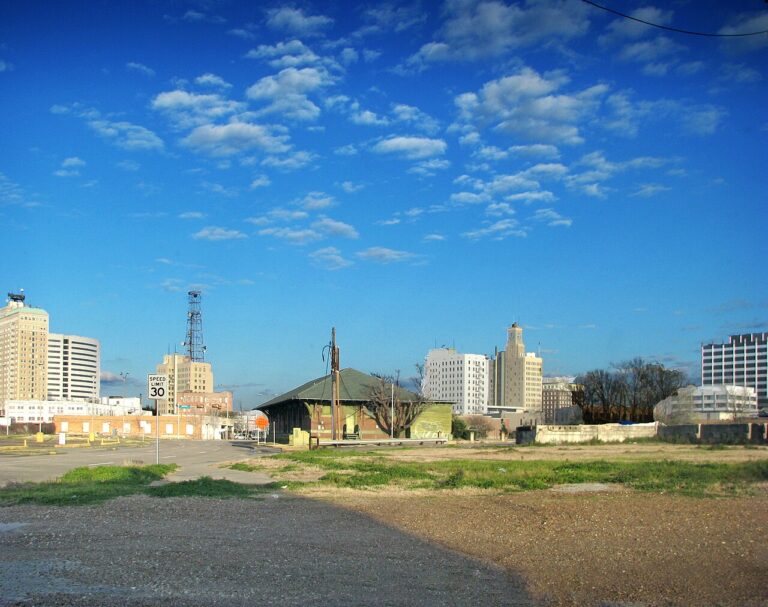
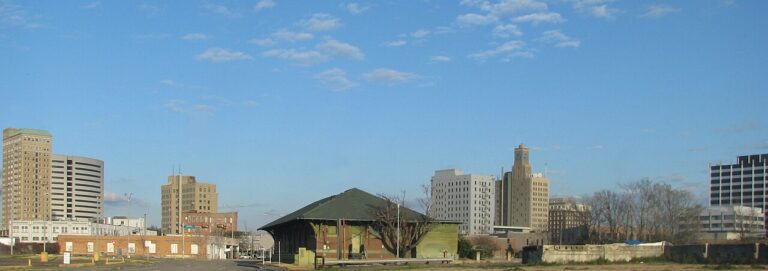
Header photo: Port of Beaumont, Beaumont, Texas by Nicolas Henderson, licensed CC BY 2.0, via Wikimedia Commons.